Artist Spotlight - Camilla Fransrud

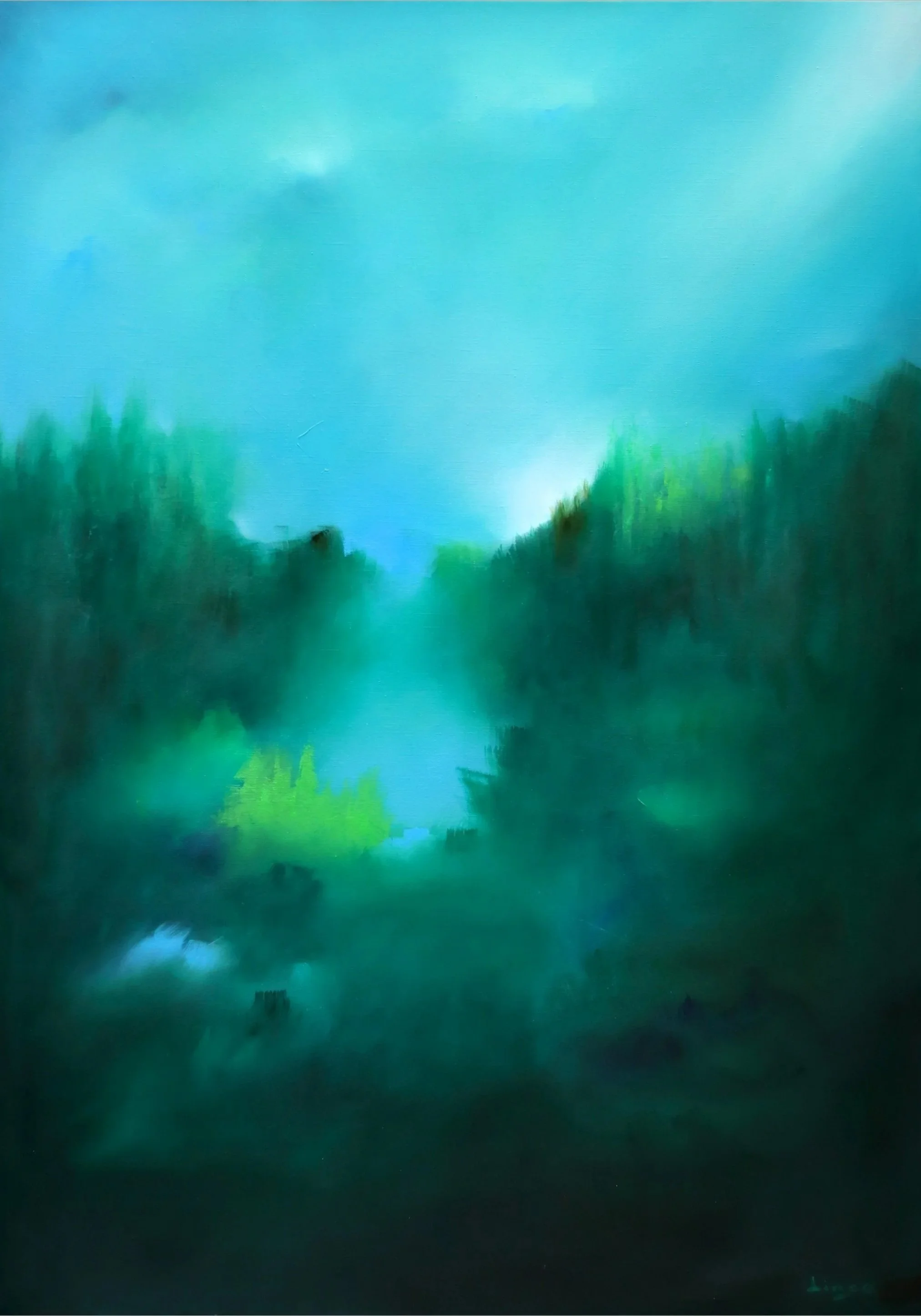
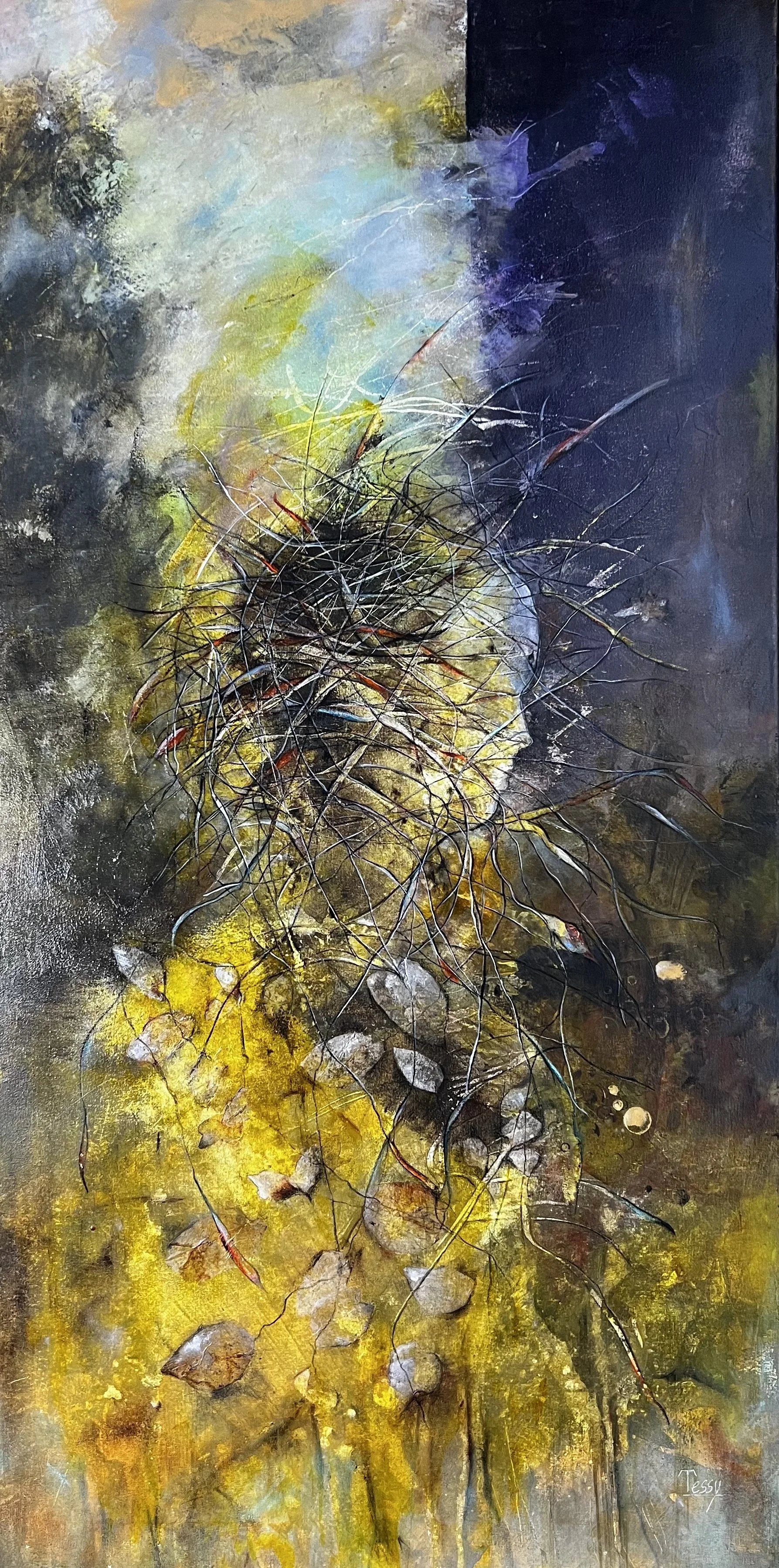
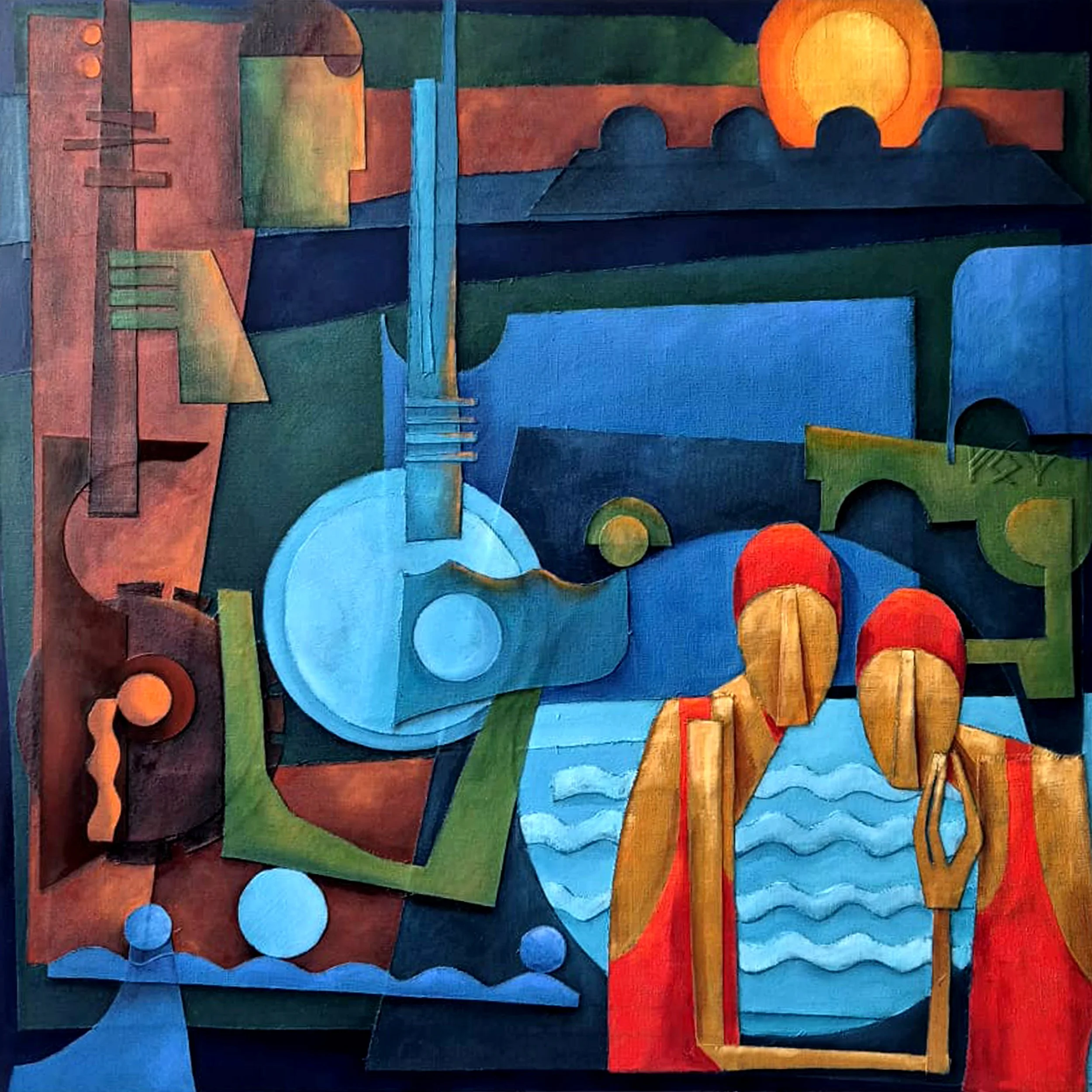
Camilla Fransrud (b.1974,Oslo) is a Norwegian contemporary painter based in Trondheim. Nearly self taught, she had art classes with the well known Icelandic Sculptor Erlingur Jonsson as an art Teacher at sixth form college (1990-1993). She works primarily in acrylic,creating abstract and figurative pieces inspired by the sea and surrounding landscapes.Her dreamlike works invite viewers to reflect on their own emotions and sense of connection with nature .

Artist Spotlight - Banajit Sharma

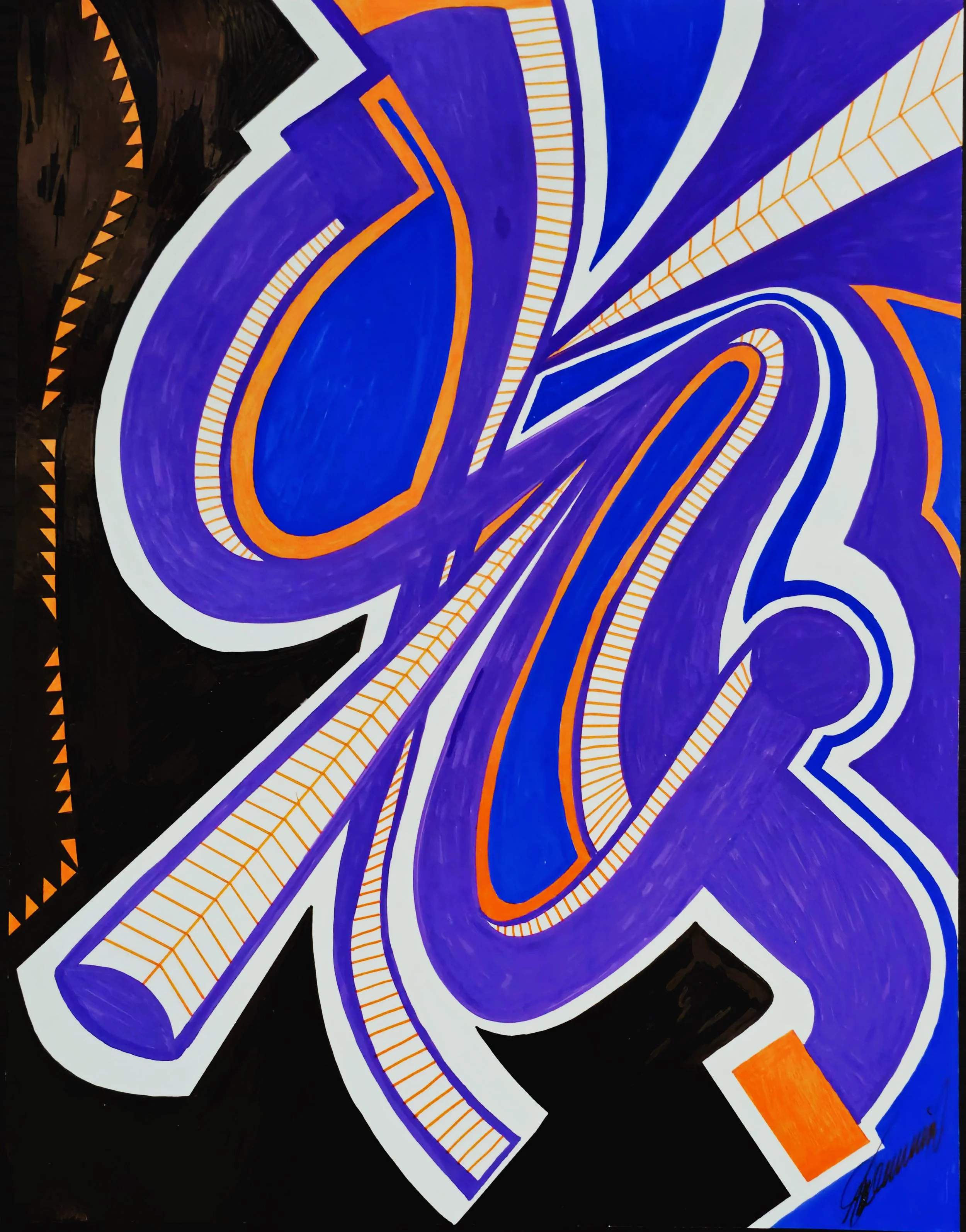
I am inspired by some specific things affecting different types of human experience. By this I mean people's life, people's struggles, people's success, people's failures, people's trust, people's wishes, people's joy, people's happiness and people's downfall. In other words, people's up lifting experiences and how they think and observe things..

Interview with Carola Helwing

If I am interested in a personality and fascinated by the story, I try to clarify this in my artworks. I don't want to create a mere, simplistic depiction, but rather try to give space to the seemingly ambivalent aspects in my portrayals. What is typical of the myth surrounding this person, and which perhaps tragic aspects are revealed? In this respect, I hope that I succeed in giving the viewer the necessary space to develop their own understanding of this person.

Peter Doig

A leader of his generation, Peter Doig is a Scottish artist who was able to propose a new set of questions and alter the way we understand art. In a time when new techniques were dominating and when painters and painting, in general, were considered quaintly anachronistic, he forged a new painterly language: an ironic mix of Romanticism and post-impressionism to create haunting landscape vistas.

Neo Rauch

Neo Rauch's paintings are characterized by a unique combination of realism and surrealist abstraction. In many of his compositions, human figures engaged in manual labor or indeterminable tasks work against backdrops of mundane architecture, industrial settings, or bizarre and often barren landscapes.

Interview with Qingzhu Lin

I view the pursuit of beauty as a profound ethical responsibility—a radical act of restoration. In a world often characterized by fragmentation, my work seeks to return to a state of wholeness. Beauty is not mere decoration; it is a manifestation of “善” (Goodness) that provides a sanctuary for the human soul to heal and reconnect with its essential nature.

Interview with Frank Mayes

For me, the journey itself is not just a physical or geographical one, but a deeply personal and introspective process. As a visual storyteller, I find that the places I travel to often become imbued with a sense of emotional resonance, which can either coalesce into a single, defining image or unfold into a more complex, narrative-driven series.

Interview with Juliana Kolesova

In art, as in many other processes, I see a certain cyclical movement. At one point, figurative painting was declared exhausted, and other forms — abstraction, dematerialization, conceptual strategies — took its place. Today, the pendulum is clearly swinging back, and it is already possible to ask the reverse question: what can abstract painting or the refusal of representation do now, that it has not already done?

Interview with Jean Cherouny

My training in color theory plays a vital role in this dynamic process. The principles of color relationships, contrast, and harmony are ingrained in me, acting as an internal compass that guides my instincts when making quick decisions on the canvas. For example, when faced with the urge to apply vibrant, clashing colors in the heat of creation, I instinctively recall the impact of complementary colors and how they can heighten emotional responses. This knowledge allows me to make choices that feel both spontaneous and harmonious.

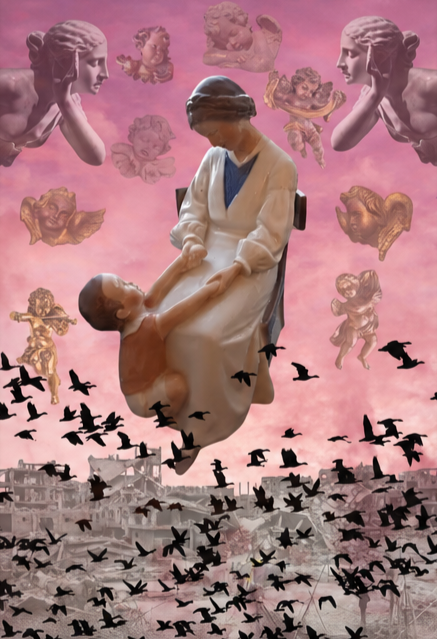
Artist Spotlight - Lava Ghayas

A contemporary Canadian artist, born in November 1964, began his journey in Syria, where he worked as a graphic designer, illustrator, interior designer, and set designer for theatre and film, following his time at the Damascus Art Academy. In 1998, he moved to Qatar as an illustrator to create digital paintings for a well-known television station. In 2014, he relocated to Toronto, Canada, and works as a full-time artist.

Vinci Weng

Entering Vinci Weng’s recent work feels less like arriving at an image than like stepping into a constructed situation that is already underway. The first sensation is not simply visual plenitude, though plenitude is everywhere, but a peculiar certainty that what one is seeing has been staged into existence with the deliberation of cinema and the density of painting. Weng’s pictures do not present themselves as windows, nor as documents, nor as the familiar persuasion of photographic immediacy. They behave instead as tableaux with rules, as fictional worlds whose internal physics are established through scale, depth, and chromatic climate.

Interview with Karine Eyamie

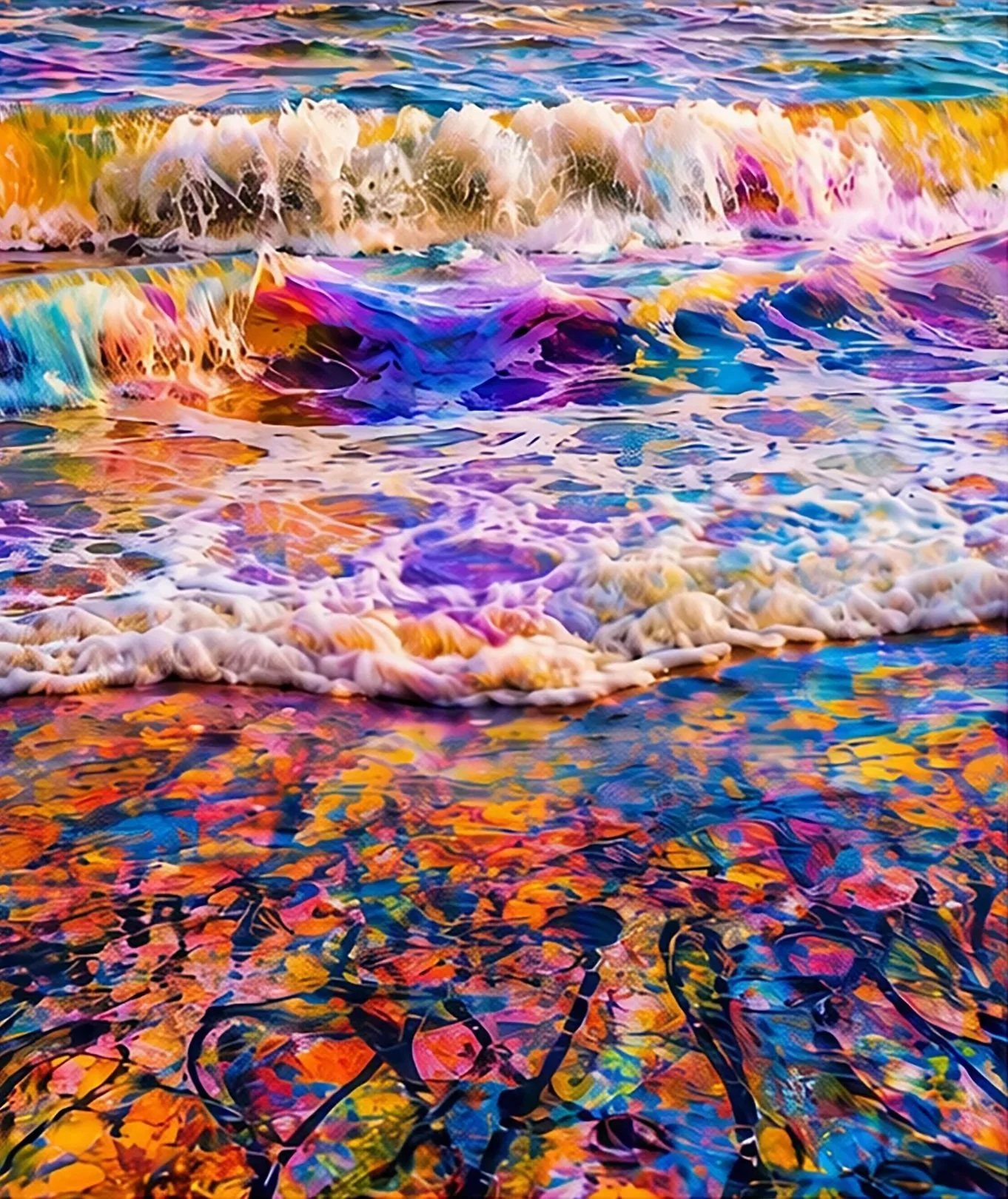
In her 2026 fine art series, Karine transcends the traditional boundaries of design, merging twenty years of high-jewelry expertise with the infinite possibilities of artificial intelligence. By reimagining the human form as a luminescent translucent vessel—where moss breathes through glass skin and internal storms are harnessed within one's soul—she has pioneered a new genre: Digital Haute Couture.

Hélène Paulette Côté

To encounter Côté’s dimensional paintings is to feel how the artwork refuses the quickness of contemporary image culture without resorting to nostalgia. The rigor of her hard-edged forms, the disciplined clarity of her color, and the insistence of her constructed extensions make a persuasive case for abstraction as a civic language, one capable of training new habits of seeing. Her contribution to the contemporary field lies precisely here: she restores to geometry its capacity for lived experience, and to painting its ability to be a site of encounter rather than a mere surface of display. In that restoration, the work offers something rare: a renewed confidence that looking can still be transformative.